
The Difference Between Tree Trimming and Tree Removal
Many property owners use the terms tree trimming and tree removal interchangeably, but they are two very different services that serve entirely different purposes. Choosing the wrong one for your situation can cost you time, money, and in some cases the health of your tree. Understanding the distinction between these two services helps you make smarter and more informed decisions about the trees on your property. Knowing when each service is appropriate is something every property owner should have a clear handle on. Keep reading to find out more.
Knowing When to Trim and When to Remove
Making the right call between trimming and removal is not always straightforward without the right information. Property owners who consult with Atlanta tree removal professionals get honest and expert guidance on which service their situation actually calls for. Here is how to think through the decision.
Trimming Maintains Health and Shape
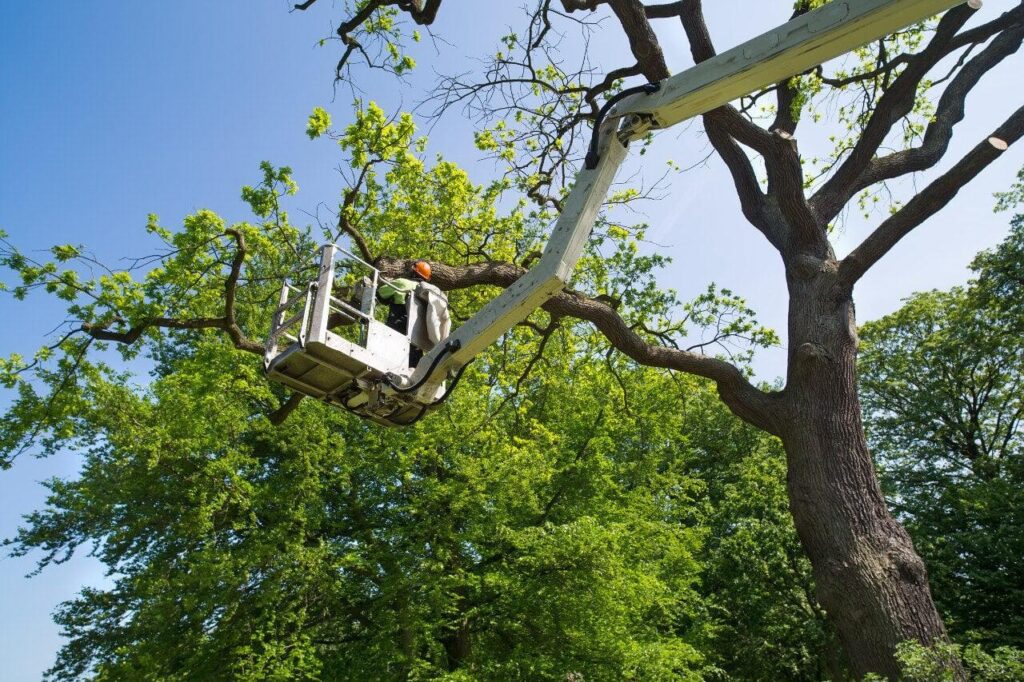
First and foremost, tree trimming is a proactive and preventive service designed to maintain the health, structure, and appearance of a living tree. Removing dead or overgrown branches improves airflow through the canopy, encourages healthy new growth, and reduces the risk of branches falling during storms. Regular trimming also keeps trees looking well maintained and prevents them from encroaching on structures, power lines, or neighboring properties. A tree that receives consistent and professional trimming is a healthier, safer, and more visually appealing asset to any property.
Removal Becomes Necessary in Specific Situations
Furthermore, tree removal is the appropriate course of action when a tree has deteriorated beyond the point where trimming can meaningfully improve its condition or safety. A tree that is dead, severely diseased, structurally compromised, or posing an imminent risk to people and property needs to come down regardless of its sentimental or aesthetic value. Trimming a tree that genuinely needs to be removed is not only ineffective but can actually create a false sense of security about a hazard that has not been properly addressed. Removal is the responsible choice when the situation genuinely calls for it.
Some Situations Require a Professional Assessment
Another important point is that not every tree situation is immediately obvious to an untrained eye. A tree might look relatively healthy from the outside while harboring significant internal decay or root damage that makes it genuinely dangerous. Conversely, a tree that looks alarming after storm damage may actually be a strong candidate for skilled trimming and recovery rather than full removal.
The Cost Difference Is Worth Understanding
Finally, trimming and removal carry very different price points that are worth factoring into your decision-making process. Tree trimming is generally less expensive than full removal and is a worthwhile ongoing investment in the long-term health and safety of your landscape. Removal involves more labor, equipment, and disposal work that naturally commands a higher cost. However, delaying a necessary removal in an attempt to save money almost always leads to greater expense down the line when a hazardous tree causes damage that far outweighs the original removal cost.
Conclusion: Knowing When to Trim and When to Remove
To wrap it all up, understanding the difference between tree trimming and tree removal empowers you to make the right decision for your property at the right time. Trimming maintains and protects healthy trees while removal addresses situations where a tree has become a genuine liability. When in doubt always consult a certified professional who can give you an honest assessment and guide you toward the service that truly serves your property best.
Recent Comments